
Skip to navigation Skip to content
  • Weaves
    • Inabel
    • Hablon
    • Piña Calado
    • Piña Cotton
    • Tropical Silk
  • Mens
    • Suits
    • Shirts
    • Ties
    • Pants
  • Womens
    • Dress
      • Short Dress
    • Skirt
    • Suits
    • Coat
    • Pants
  • Knits
  • Weaves
    • Inabel
    • Hablon
    • Piña Calado
    • Piña Cotton
    • Tropical Silk
  • Mens
    • Suits
    • Shirts
    • Ties
    • Pants
  • Womens
    • Dress
      • Short Dress
    • Skirt
    • Suits
    • Coat
    • Pants
  • Knits
  • $0.00 0 items
Home / Weaves

Inabel

Ilocos Region
Cotton

Piña Calado

Taal, Batangas
Pineapple & Abaca

Calado is a kind of filigree work wherein the thread is pulled from the cloth in an intricate pattern that goes with simple or ornate hand embroidery designs. The finished product has a design akin to latticework. Piña suksok, or "sinuksok" meaning "to insert," describes the technique of inserting colored thread by hand and needle to create flower and leaf designs. Pineapple and Abaca fibers are used in creating Calado.

.

Piña Cotton
Hablon

Iloilo
Cotton

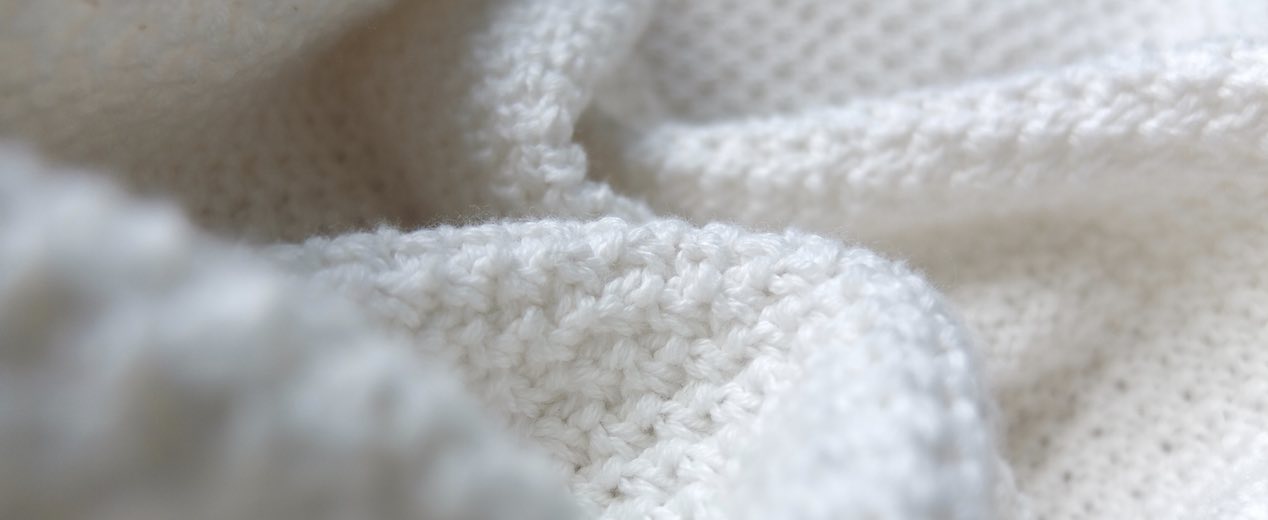
Handloom weaving in Iloilo started when Ilonggos wove textiles from materials bartered with the Chinese. Hablon is derived from the Hiligaynon word "habol", meaning to weave, and hablon refers to both the process of weaving and its finished products. Cotton, abaca, pineapple or silk are used in producing Hablon.

T'nalak

Lake Sebu, South Cotabato
Abaca Leaves

T'nalak is a traditional cloth found in the Mindanao island made by the T'Boli people of Lake Sebu, South Cotabato. Made from Abaca leaves, the colorant of the cloth are natural dyes boiled from bark, roots and leaves of certain plants. Sometimes called the Dream Weavers, the design of the T'nalak are dependent on the dreams of its weaver.

.

WEAVES MENS WOMENS KNITS CART CHECKOUT

Aloysius Worldwide Headquarters

5650 Don Pedro St., 3rd Floor, Poblacion, Makati City, Philippines 1210

Tel: (02) 502-9462

info@aloysiusworldwide.com

SUPPORT
© Aloysius Worldwide 2018